Violent Cop (1989)
October 3, 2026
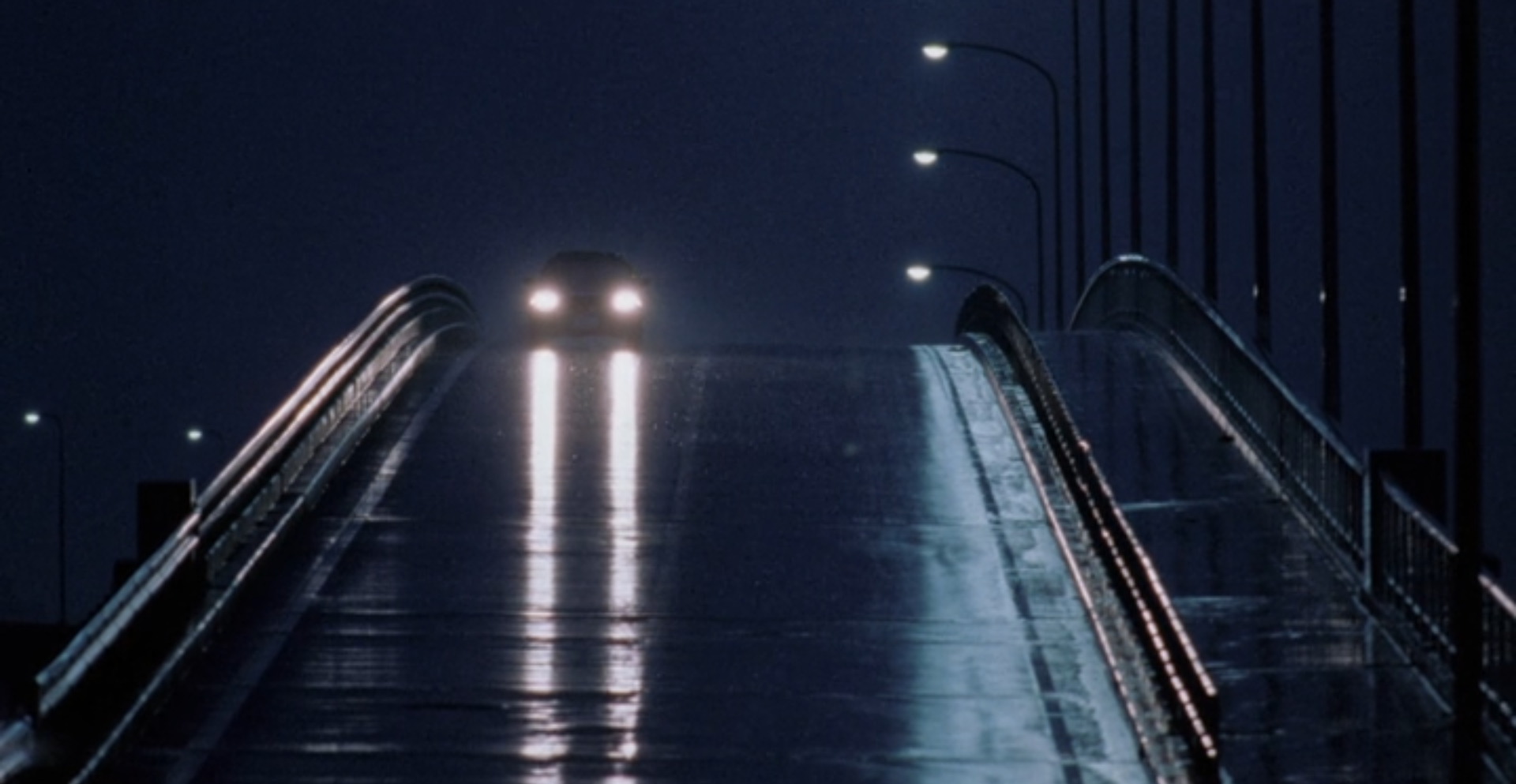
From the same director and main actor as Fireworks (1997), but this is the first movie he directed.
I feel like it has many static shots of our protagonist walking, either away from the camera, slowly towards the camera, or from the side, and the shots linger for a while, which gives the movie a rather slow and deliberate feeling that stands in radical contrast to the story. More on this later. I think these walking shots are a bit excessive; it almost feels like a walking simulator. Our director and actor Takeshi Kitano plays his role as a hard-boiled detective as well as he did in Fireworks (1997). I do wonder if he is one of those actors that can only play one role, but I haven’t seen too much of him yet to make this decision.
A quick random interjection: it is funny how every villain in Japanese movies has the same accent, where they just constantly roll the r.
Now to the story: on a quick glance it is a fun story, but on a deeper look I think there are many problems with the story, and I think one can see that this was the director’s first movie. But maybe I was just missing something. Anyway, here it goes, spoilers ahead.
First, if we think about how the story is moved forward after the initial murder is revealed, it follows the same pipeline: Azuma finds the first person that has something to do with the murder, beats him up until he is bloody, that person gives him the next person he is responsible for, then he beats them up again, and so on. It feels a bit lame.
Besides that, most of my criticism is probably how the movie ended. Although I liked the vision of the ending, I feel like it wasn’t well incorporated in the rest of the movie. First, why did they gang rape the protagonist’s sister? I feel like it didn’t change anything: our protagonist did not notice it, so it didn’t give him any motivation, and the villain is already villainous enough. This random act feels like it was not needed, felt unnecessary. Also, his sister acted strange/mysterious, and it was never really revealed what this was about, besides the offhand note that she has problems with her head. But this feels like it violates “One must not put a loaded rifle on the stage if no one is thinking of firing it.”
Another problem: why did our protagonist let himself get deliberately shot? One natural explanation might be that he lost everything and didn’t care anymore if he wanted to live. But if this is the case, this again was not hinted at very well in the movie. If this is what the director was going for, I would have wanted at minimum one throwaway line that reveals that our protagonist does not have much else besides caring for his sister and his job. On this note, again there was no explanation for why he shot his sister. One possible motivation, in line with Japanese culture, would be something along the lines of honor, which was hurt after she did drugs. But it didn’t seem like the protagonist cared much about that either, with him gambling.
The last thing that was strange: why did the one cop that was a stickler for rules suddenly turn corrupt? There was no indication for this. Thematically I like this, showing that nothing has changed and that the corruption continues, but I don’t feel like it’s well executed.
Again, in theory I really like the ending, I just don’t think the execution is that great. Besides the pacing issues because of the walking scenes, I feel like the action is great and very straightforward. But Fireworks is the better movie. 6/10