- Ichi the Killer (2001)
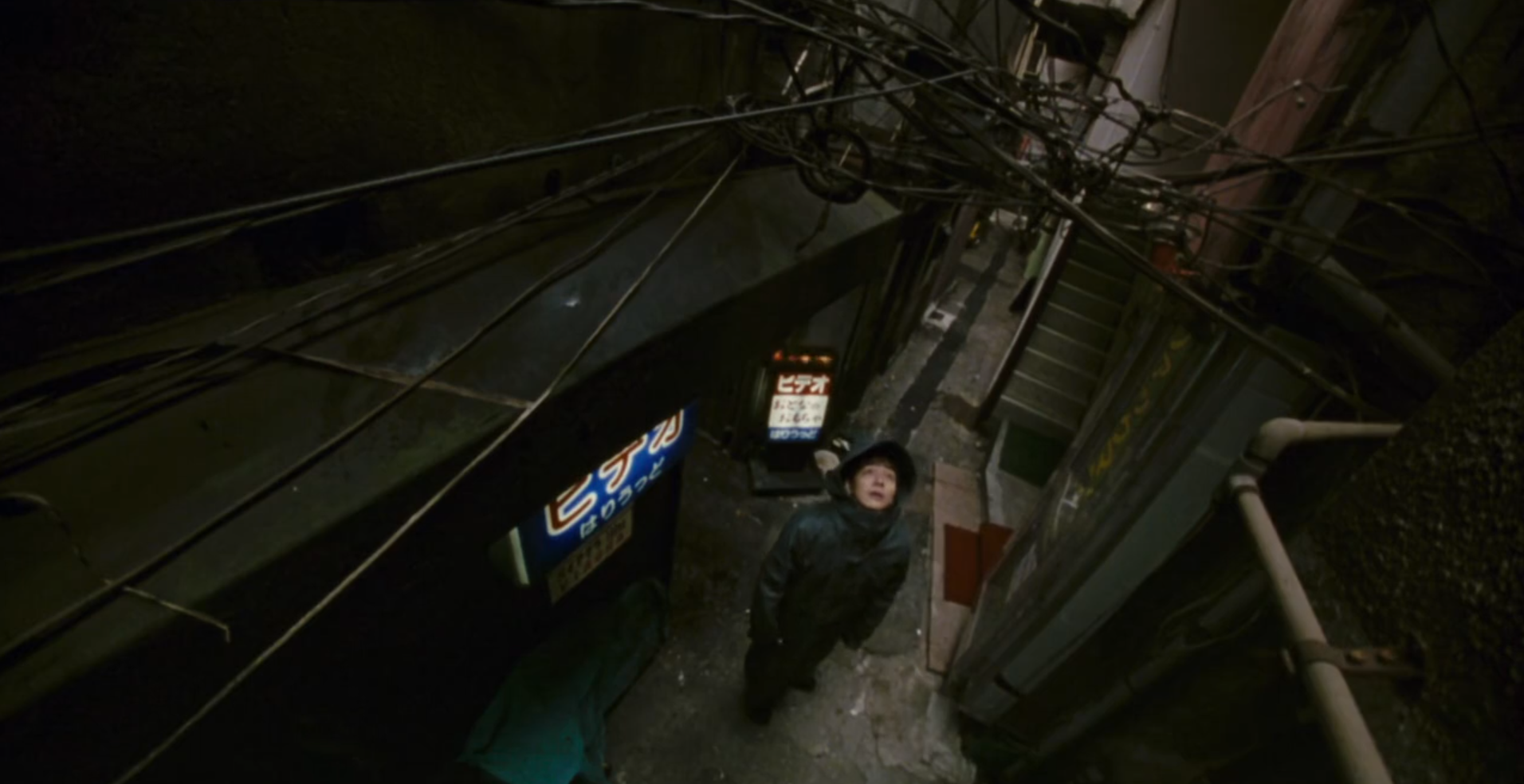
Alternative title: The Crying Killer
This is a splatter movie: very brutal, full of gore, torture, and an obsession with sadism and masochism. If I had to describe it in two words, it would be fucked up.
The film has some really cool shots: fast, erratic camera movements, often sped up and distorted. There’s rarely a static camera; it often feels like we’re a person following the main characters through their madness.
It also has some really interesting sound design and songs: heavy drum patterns that almost verge on DnB, but only in the percussion. The constant rhythmic repetition reminds me a bit of krautrock and even of the book On Mysticism: The Experience of Ecstasy.
This is exactly the kind of movie I love — strange, avant-garde, weird, fucked up, and pushing boundaries. 8/10.
Spoiler ahead
Our protagonist, Ichi, loves to hurt people. He takes pleasure in seeing others in pain and misery. Was he always like this, or did it develop over time? We don’t know. What we do know is that back in school, he was bullied, and a girl once saved him. The bullies then raped her as punishment, while Ichi was frozen and could do nothing but watch. He hated himself for it — but not for the reason you might think. He didn’t hate himself because he couldn’t save her, but because he wasn’t the one who raped her.
It’s unclear if this event was the catalyst for his sadistic tendencies or if it merely revealed them. There’s another layer to it too: while he loves to hurt and kill, he also hates himself for it. Each kill becomes a strange mix of pain and pleasure — he kills and cries at the same time, often while having an erection. He wants to kill but also doesn’t want to. After every murder he feels miserable, yet he still yearns for the next one.
This inner conflict is exploited by the yakuza, who manipulate him by telling him his targets resemble his old bullies — “Look, this one’s bald like the guy from your class,” or “This one has the same hair as the one who bullied you.” Ichi becomes trapped in a cycle of proving he’s not the weak boy he once was — a cycle of pain, pleasure, and broken morality.
Maybe the whole movie is a metaphor for the suppressed feelings of bullied people in Japan: an aesthetic release of their trauma, a fantasy of strength and revenge that still carries the shadow of their weaker self.
“You were weak and couldn’t help her. But now you’re strong enough to take anyone down. It’s time for revenge.”
The irony, of course, is that the whole “Ichi’s bully” story was made up.
Also… why did that guy kill himself at the end?
- Lake
- Hopper

- Primal Fear (1996)
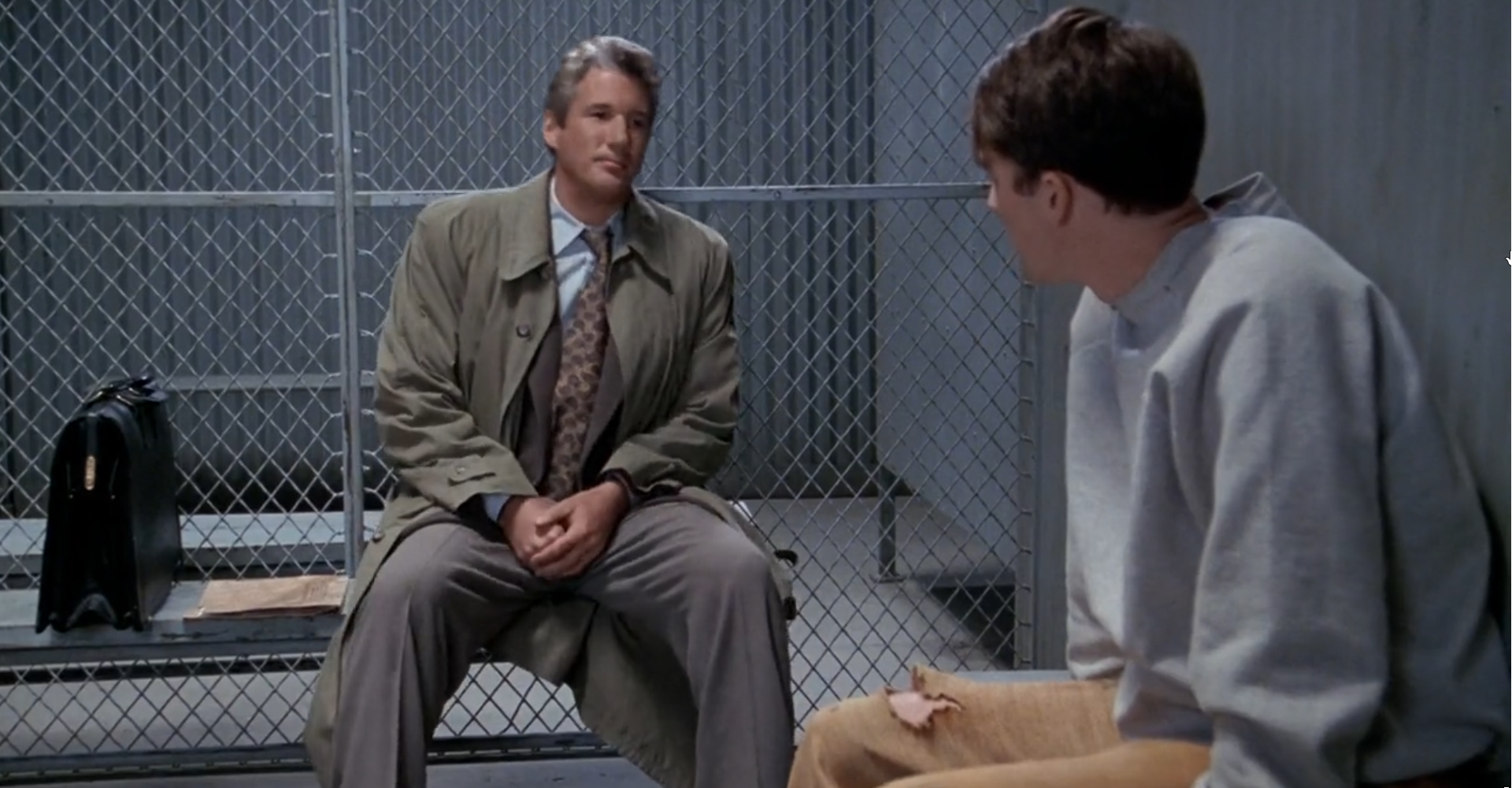
Good, straightforward movie until the ending, which recontextualizes everything. 7/10.
If you want justice go to a whorehouse. If you want to get fucked, go to court.
- The Man from U.N.C.L.E. (2015)
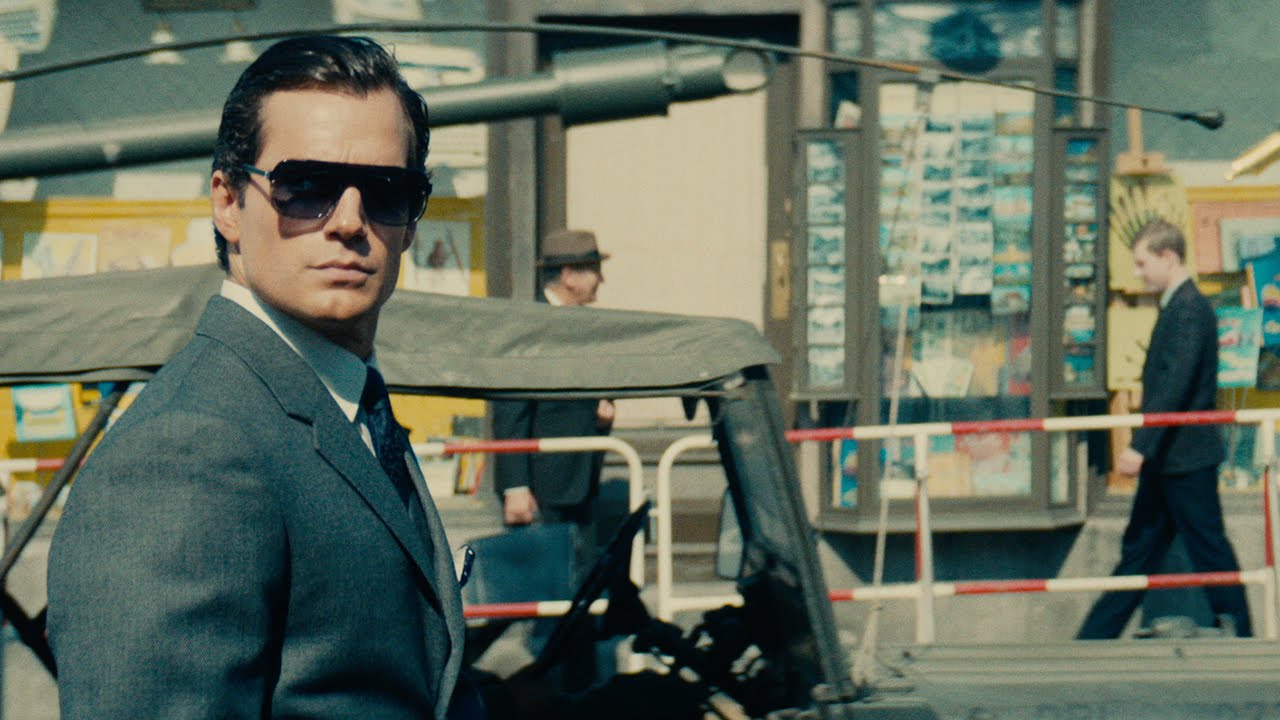
Classic action spy movie. I like that it doesnt take place in america. 7/10.
 I2P
I2P