- Lilya 4 Ever (2002)
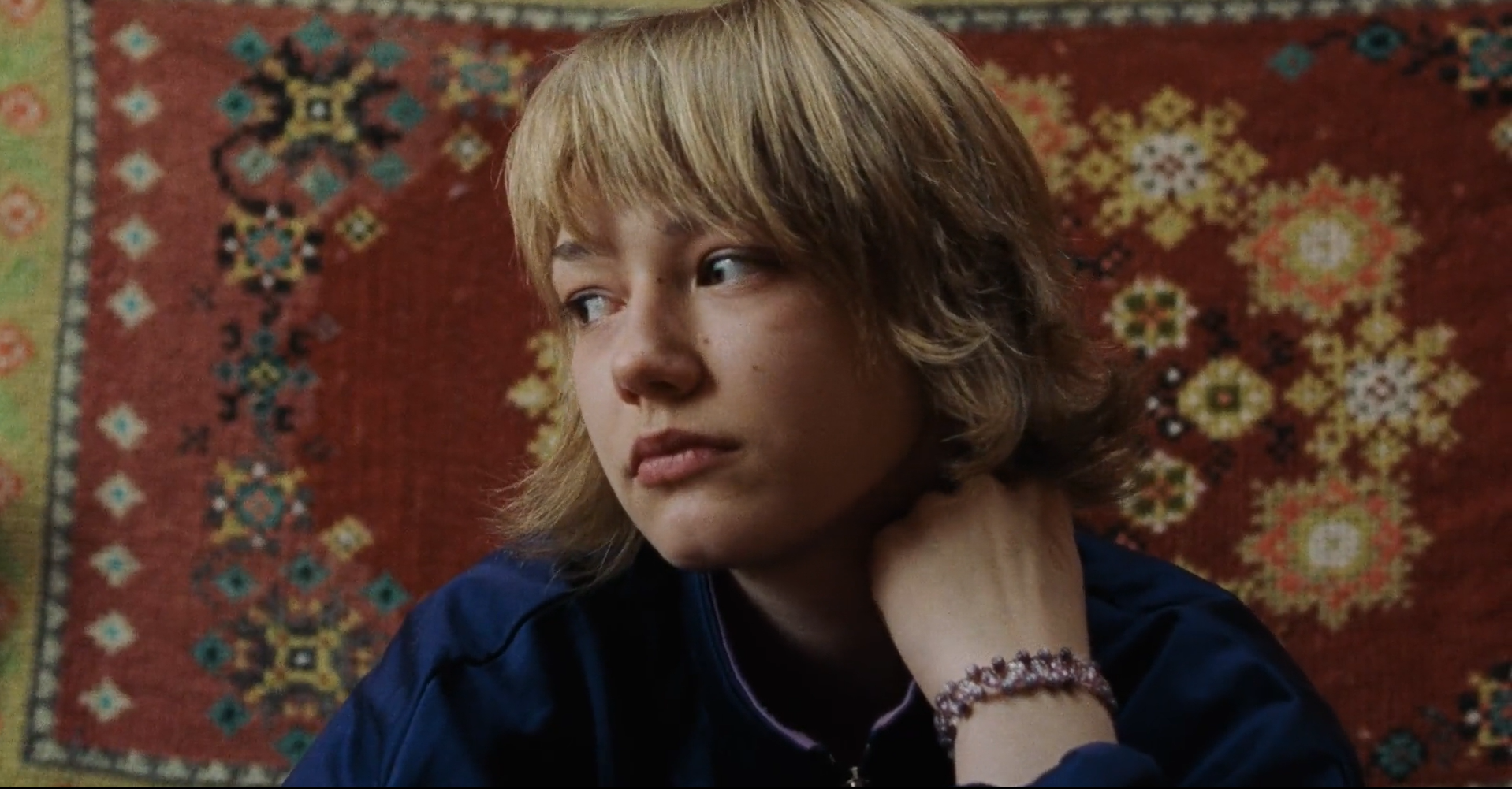
What a sad movie. What a shithole of a city. What an amazing soundtrack. 8/10.
- Ocean Voyage
It isn’t easy to combine and reconcile the two—the carefulness of a person devoted to externals and the dignity of one who’s detached—but it’s not impossible. Otherwise, happiness would be impossible.
It’s something like going on an ocean voyage. What can I do? Pick the captain, the boat, the date, and the best time to sail. But then a storm hits. Well, it’s no longer my business; I have done everything I could. It’s somebody else’s problem now—namely, the captain’s. But the boat actually sinks. What are my options? I do the only thing I am in a position to do: drown—but fearlessly, without bawling or crying out to God, because I know that what is born must also die. I am no Father Time; I’m a human being, a part of the whole, like an hour in a day. Like the hour, I must abide my time, and like the hour, pass. What difference does it make whether I go by drowning or disease? I have to go somehow.
~ Epictetus, Book II
- Taste of Cherry (1997)
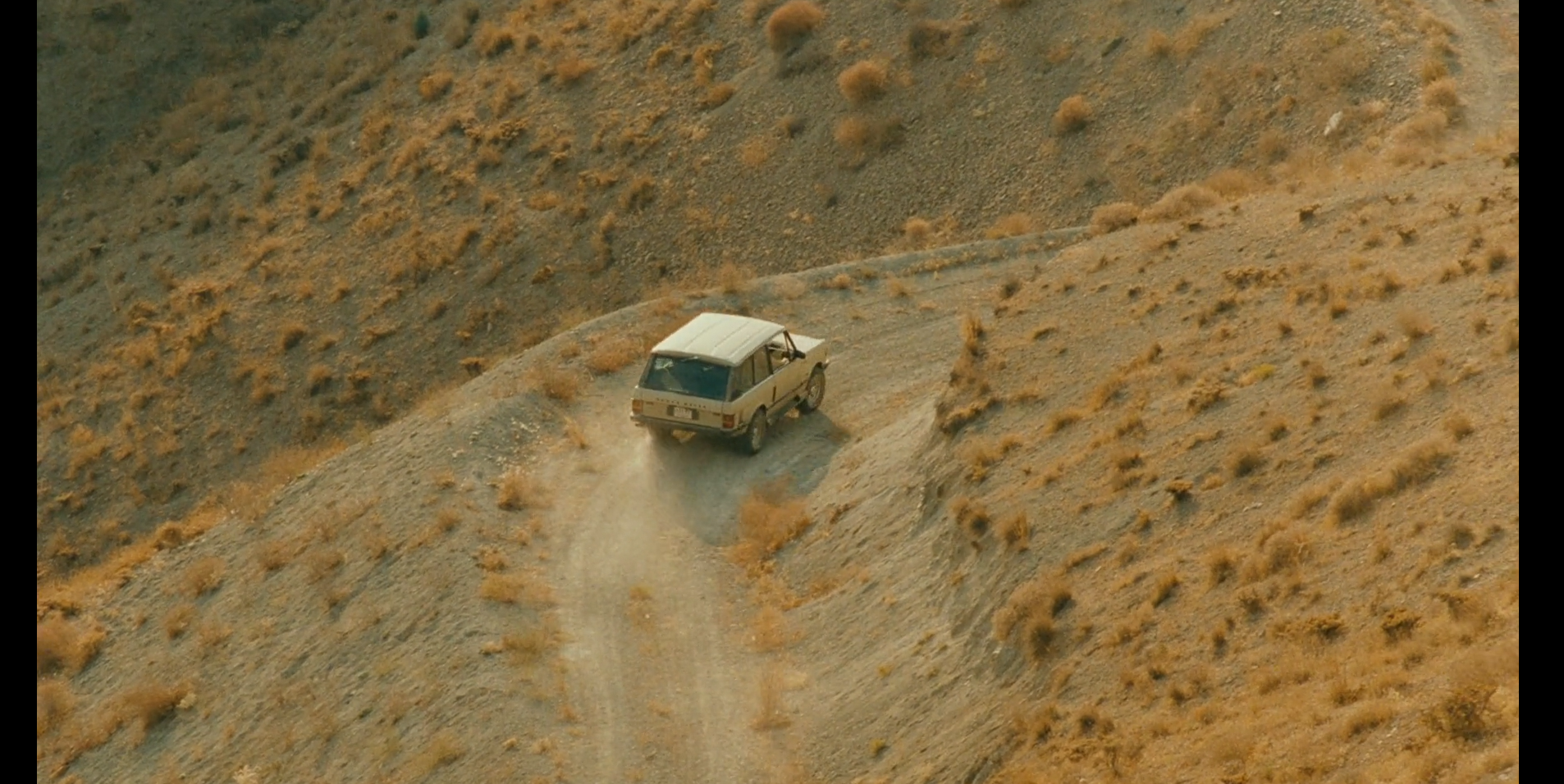
This is an Iranian movie, and the landscape and scenery are stunning—dusty, sandy hills decorated with colorful trees. In the movie, a character tells a joke that was my dad’s favorite, one he used to tell me often when I was little:
A Turk goes to see a doctor. He says, ‘When I touch my body with my finger, it hurts. When I touch my head, it hurts. My leg—it hurts. My belly, my hand—it all hurts.’ The doctor examines him and says, ‘Your body is fine, but your finger is broken.’
The movie: 7/10.
- I must die. But must I die bawling?
The knowledge of what is mine and what is not mine, what I can and cannot do. I must die. But must I die bawling? I must be exiled; but is there anything to keep me from going with a smile, calm and self-composed?
~ Epictetus, Book I
- Il Posto (1961)
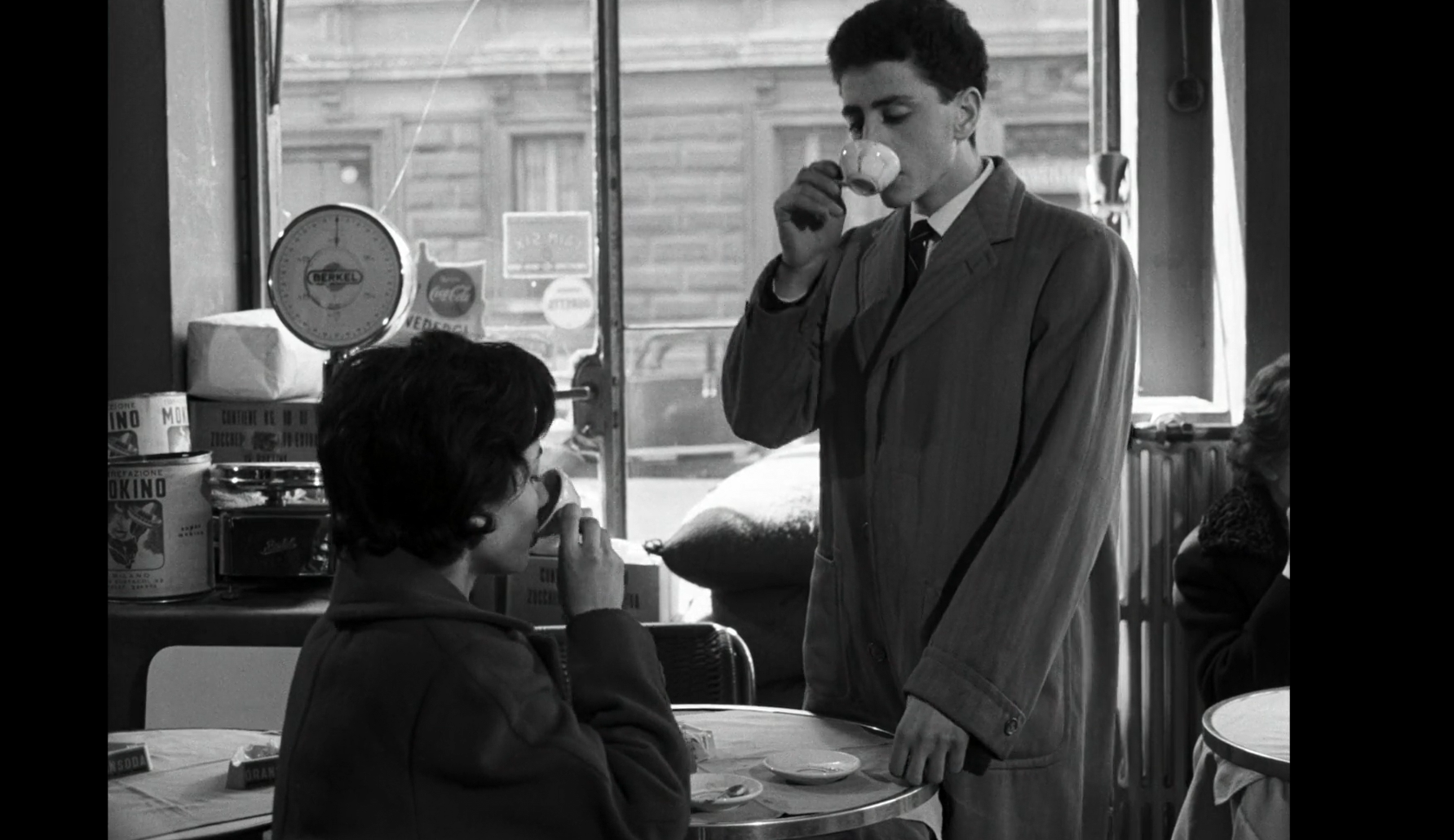
I love the clothing people wore in that time. I do wonder how the heck this company is profitable—it seems like all the employees do nothing all day. 6/10.
 I2P
I2P