Siddhartha
February 10, 2026
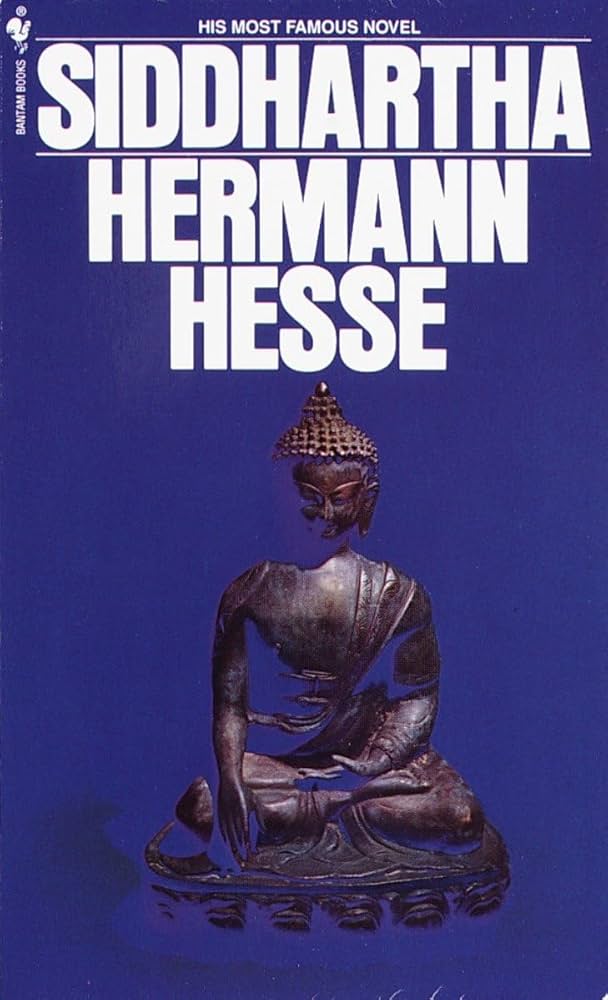
Siddhartha by Hermann Hesse is an amazing book. Who knows what I will read this year, but this might be my book of the year; at least the best I’ve read in recent times.
There is so much in it that I feel very strongly about and so much I agree with, mainly the theme of the search for enlightenment, that is true knowledge of the innermost self. The book suggests that lessons and teachings might never really be able to convey this kind of knowledge.
One theory I have from the book is about the moment when Siddhartha meets the Buddha and explains his problem with the Buddha’s teaching and philosophy. It seems to me that the Buddha might know that his teaching will never be enough to lead someone to true enlightenment, but that it exists to weaken suffering. Like a bandage that never truly heals a wound but protects it, or like a dying man in a hospice who receives medicine that gives the illusion of improvement while only easing his pain. It feels as if the Buddha knows his teachings are a kind of “noble lie”: compassionate, but ultimately limited.
Besides that, our protagonist first follows the path of the Brahmins, but although he is momentarily satisfied, it never lasts. There is no stable, long-term happiness. Later, when he follows the Samanas in the forest and practices asceticism, he is still unsatisfied. When he is full of the world, he is unsatisfied and full of disgust.
Maybe what is needed is to be both an ascetic and not an ascetic, both an atheist and a theist. But is this even possible? What would it mean to hold both as true, in tension with each other?